
A Win–Win Strategy to Alleviate Hong Kong’s Elderly Care Challenges
In recent years, it has become increasingly common for Hong Kong residents to retire in mainland China. Helping Hand, established in 1978, anticipated this trend early. As far back as 2000, it expanded northward into mainland China and established and operates the The Hong Kong Jockey Club Helping Hand Zhaoqing Home for the Elderly. By introducing Hong Kong’s elderly care service model, the facility is now one of the recognised institutions under the Hong Kong Government’s Residential Care Services Scheme in Guangdong , aiming to encourage more elderly people to retire in the Greater Bay Area.
Helping Hand currently operates three residential care homes in Hong Kong. Its Chief Operating Officer, Chu, Ho-nee Connie, revealed that the organisation plans to leverage the Imported Labour Scheme by arranging staff from the Zhaoqing facility to receive training and work in Hong Kong. Combined with the use of technology, this initiative is expected to gradually alleviate three long-standing issues in Hong Kong’s elderly care sector: prolonged waiting times, manpower shortages, and reliance on restraint-based care.
By Shu Chun-bong brianshu@hkej.com

Connie Chu believes that retirement for the elderly in the Greater Bay Area is a good choice. (Photo by Huang Jingzhang)
The prolonged waiting time for subsidised residential care places has been a persistent issue in Hong Kong, further exacerbated by an ageing population. According to the Social Welfare Department, as of 31 August this year, 17,228 individuals were on the Central Waiting List for Subsidised Long Term Care Services (CWL). The average waiting time for subvented and contract care and attention places is approximately 20 months, and many elderly applicants pass away before being admitted. Connie Chu noted that instead of waiting indefinitely in Hong Kong, the Greater Bay Area offers a practical alternative: “There is more space on the mainland, and relatively more sufficient manpower.”
The Hong Kong Jockey Club Helping Hand Zhaoqing Nursing Home (hereafter “Zhaoqing Home”), which commenced operations in 2000, spans 400,000 square feet and provides 228 residential places. Its current occupancy rate is around 50%, with residents averaging 86 years of age. Chu explained: “Occupancy rates in mainland facilities are generally not very high. Population density there is far lower than in Hong Kong—if mainland facilities were also fully occupied, that would be a real problem.” Driven by the growing trend of Hong Kong residents retiring in the mainland, the proportion of Hong Kong residents at the facility has increased significantly. Currently, Hong Kong and mainland residents each account for roughly half of the population. About 20% of Hong Kong residents are self-financed (i.e., not subvented by the Social Welfare Department). In terms of fees, she described them as “affordable”—less than half the cost of private care homes in Hong Kong. Even compared with other facilities in the Greater Bay Area: “We may not be the cheapest, but we are probably the second cheapest.”
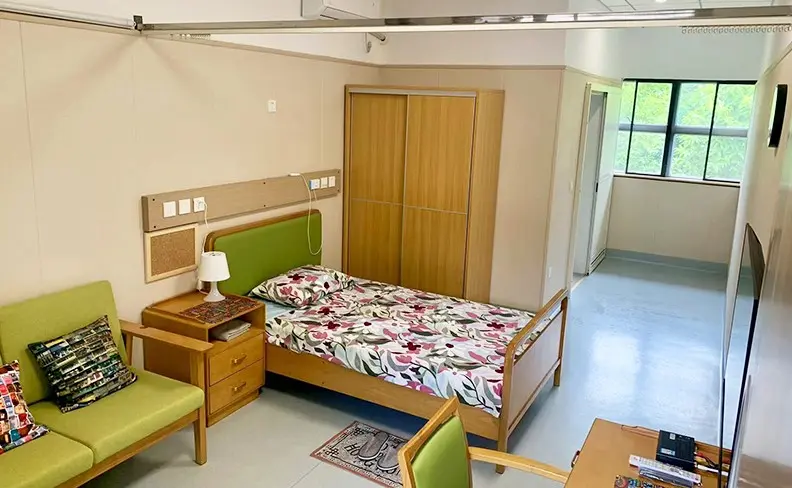
▲ The renovated single room is both practical and cosy (photo by Helping Hand)
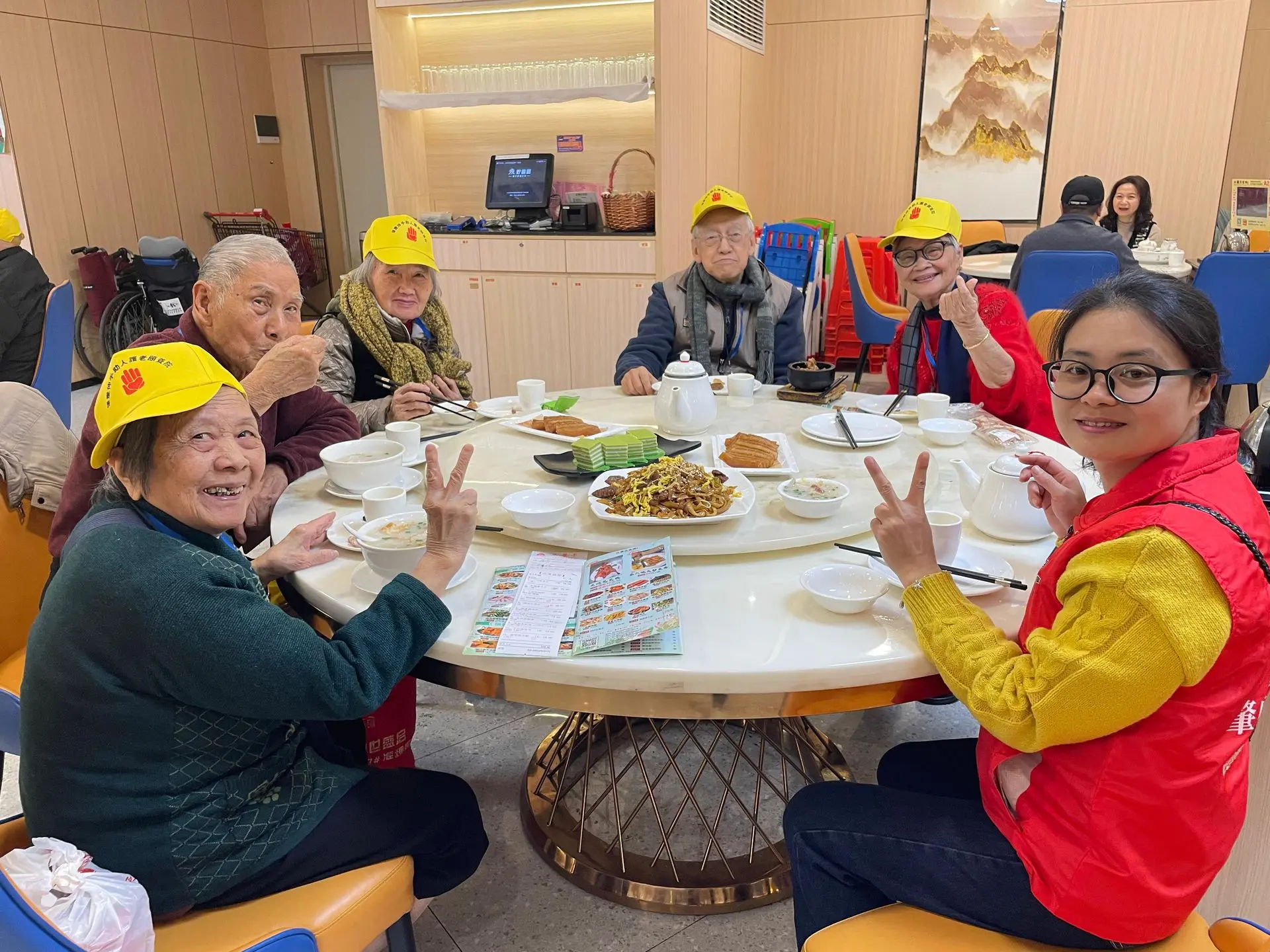
▲ Residents enjoy dim-sum while gathering together, relishing the delightful moments of good food. (Photo by Helping Hand)
Adopting the Hong Kong Care Model
Chu emphasised that the Zhaoqing Home primarily serves Hong Kong residents. Therefore, both service design and operations follow the Hong Kong model. For example, all signage uses Traditional Chinese to facilitate adaptation. Care practices also mirror Hong Kong standards: • Distinct professional roles such as physiotherapists, occupational therapists, and speech therapists are maintained. • This contrasts with mainland China, where such roles are often grouped under “rehabilitation therapists,” with less clear differentiation. She noted: “This distinction is important in the rehabilitation process. Physiotherapists focus on strength training, occupational therapists assess functional abilities, and in Hong Kong we also have speech therapists—whereas on the mainland, they tend to play a more supportive role.”
「Hong Kong’s emphasis on case management is also preserved: “We provide a wide range of activities. The goal is not for residents to simply sit there, clean and well-fed.” To enhance dignity in ageing, Helping Hand promotes a “reduced restraint” care model. This is supported by innovative technologies, including Toilet fall detection systems, anti-fall flooring mats, bed-exit alarm systems and airbag protective vests These measures create a safer and more autonomy-respecting environment.
Helping Hand promotes a “reduced restraint” care model
Chu explained: “Preventing falls does not mean restricting movement. Fixing residents in place may be the simplest approach, but we want staff to consider their quality of life.” For example: “With anti-fall mats, we assume falls may happen—but aim to prevent fractures. We teach residents how to fall safely and provide targeted exercise sessions, especially for frail, high-risk individuals.”
To build empathy among staff, the organisation introduced experiential training led by overseas experts. One notable exercise requires staff to wear diapers smeared with miso paste and remain seated for hours to simulate residents’ discomfort: “After experiencing it firsthand, staff are more open to new care approaches.”
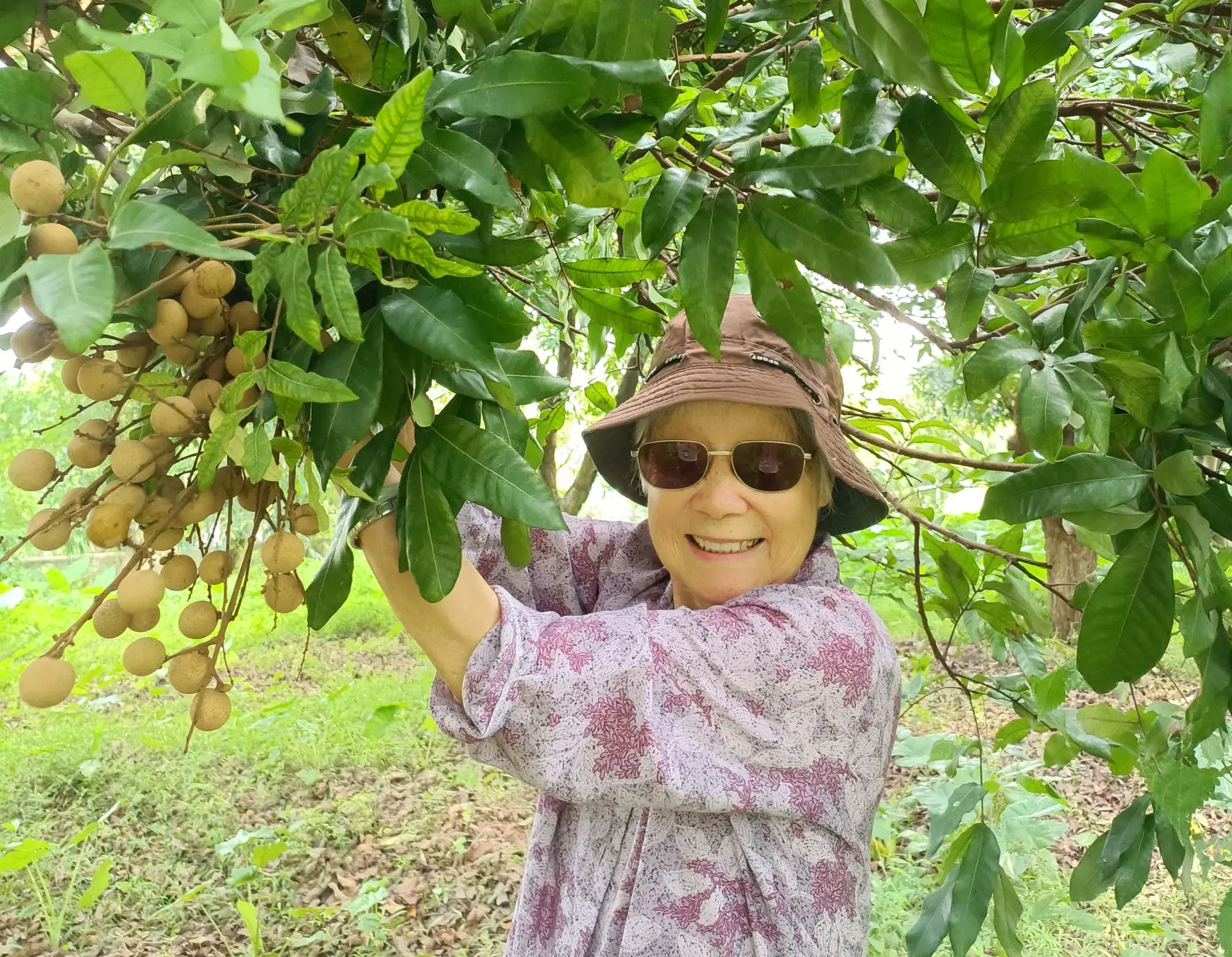
▲ The residents enjoy the fun of harvesting longan, feeling happy and relaxed. (Photo by Helping Hand)
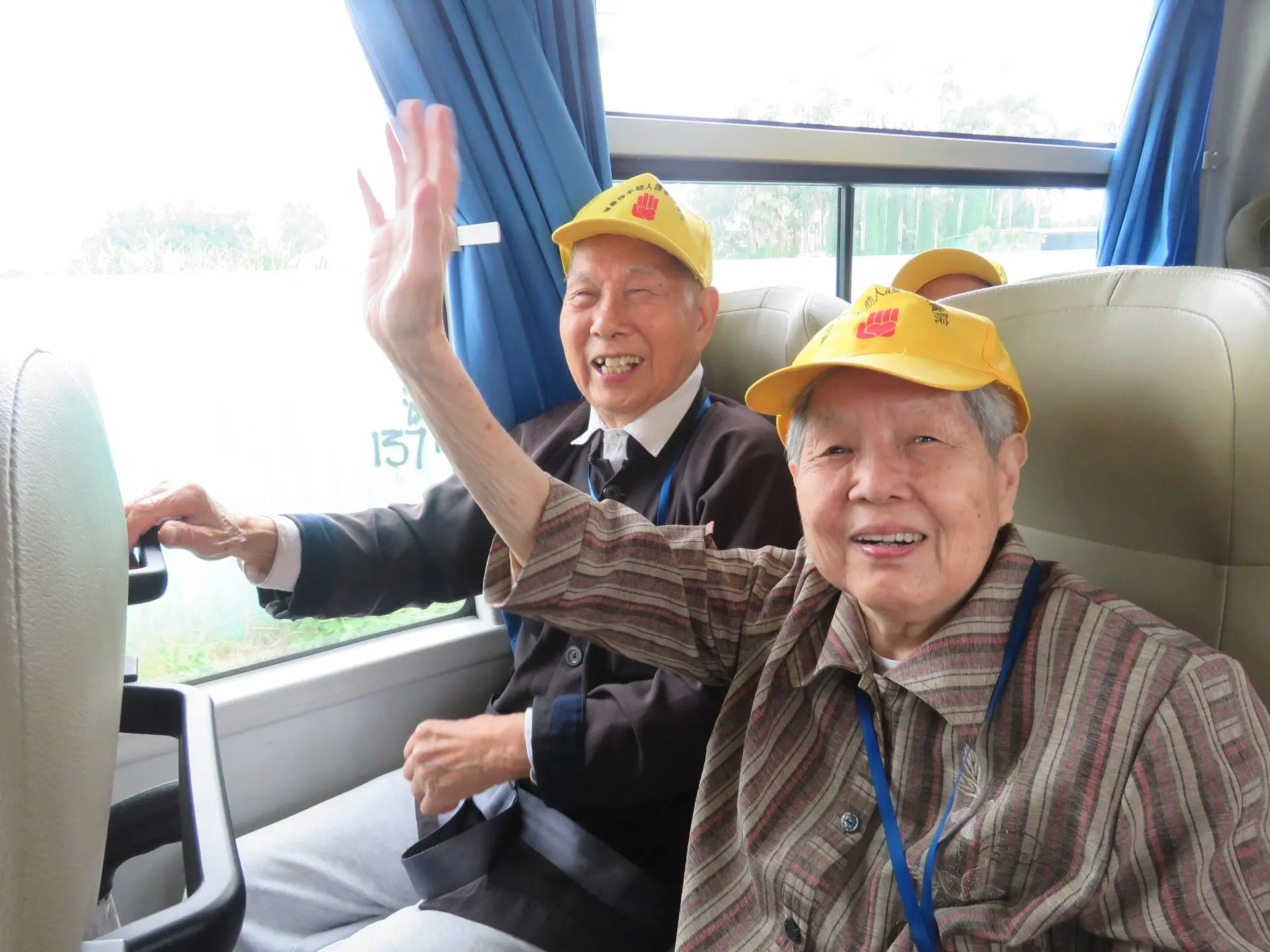
▲ Visiting nearby attractions during the trip abroad to understand the community's characteristics. (Photo by Helping Hand)
Cross-Border Workforce Support
Another persistent challenge in Hong Kong’s elderly care sector is severe manpower shortage. In June 2023, the government introduced the Special Scheme to Import Care Workers for Residential Care Homes, allowing care homes to recruit imported workers and relax staffing ratios. Staff from the Zhaoqing facility can provide immediate support: “This enables mutual exchange. Mainland staff help alleviate manpower shortages in Hong Kong, while gaining experience to bring Hong Kong practices back to Zhaoqing—a true win–win.”
Chu stressed that local workers are not threatened: “The sector is so short-staffed that even elderly workers cannot retire. Many have already retired and been rehired. They actually welcome this additional workforce.”
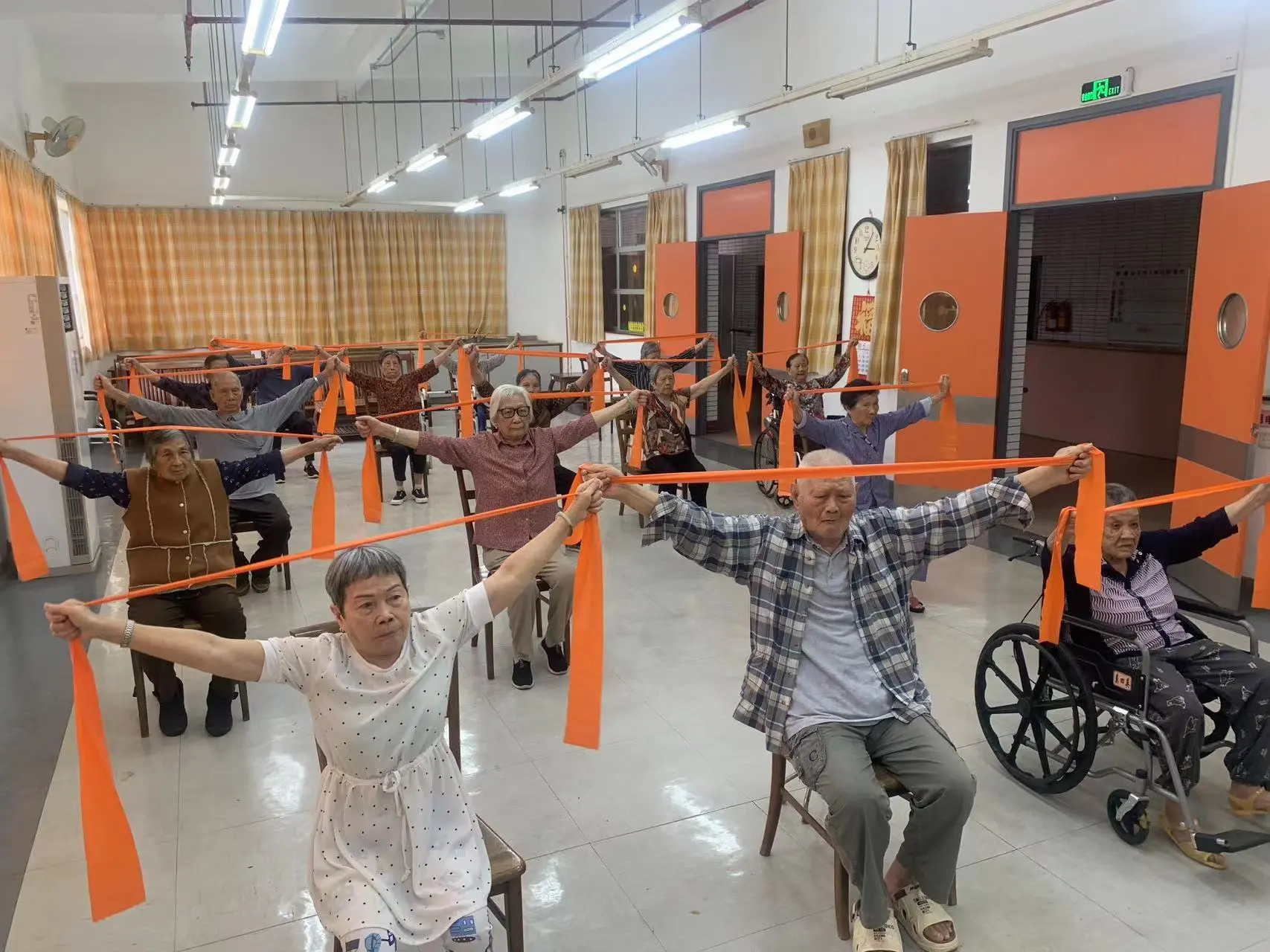
▲ Regularly organise fitness exercises and various activity courses to promote the physical and mental health of the elderly. (Photo by Helping Hand)
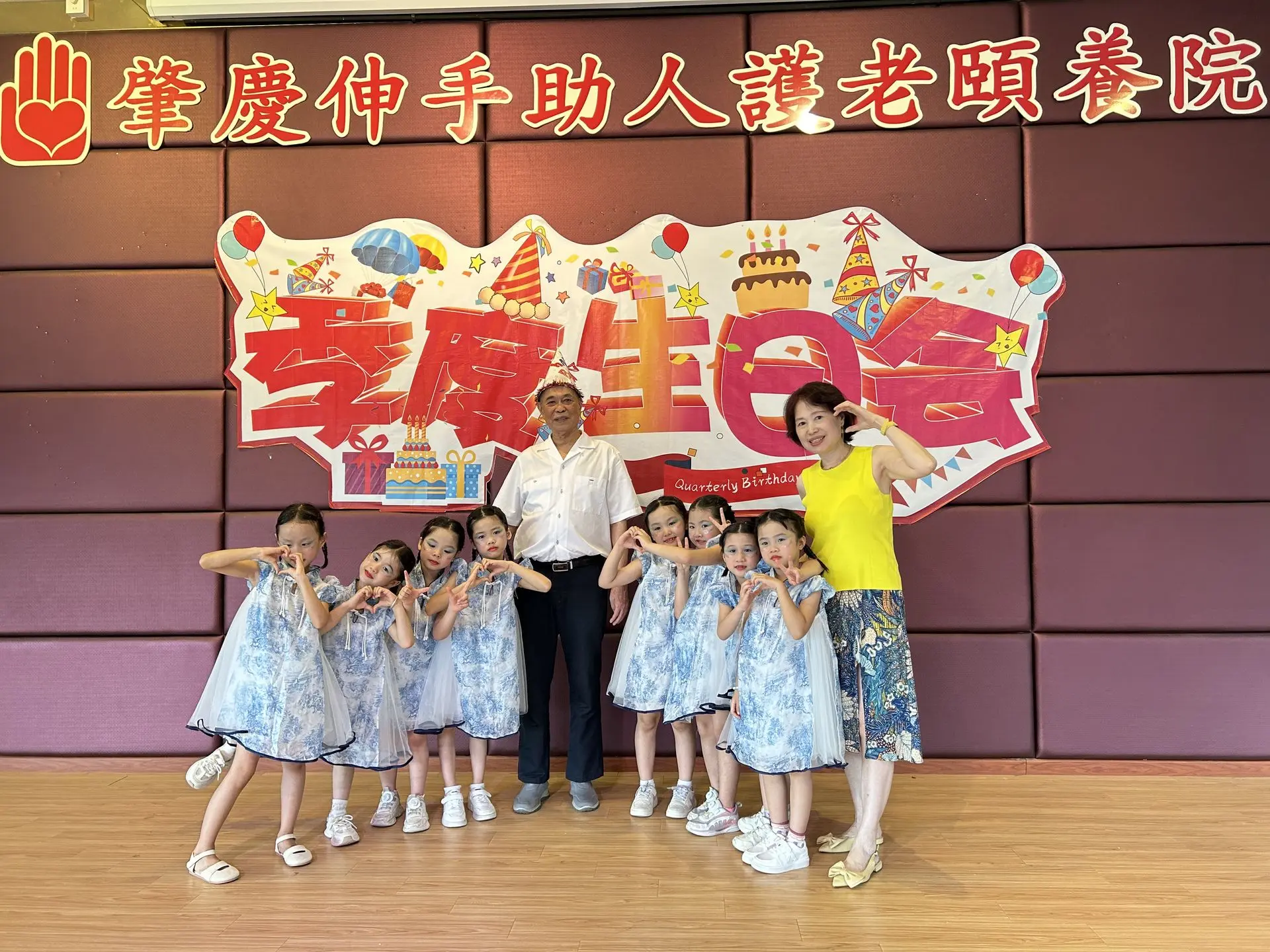
▲ The care home holds a birthday party every quarter, spending warm and joyful moments with the residents. (Photo by Helping Hand)
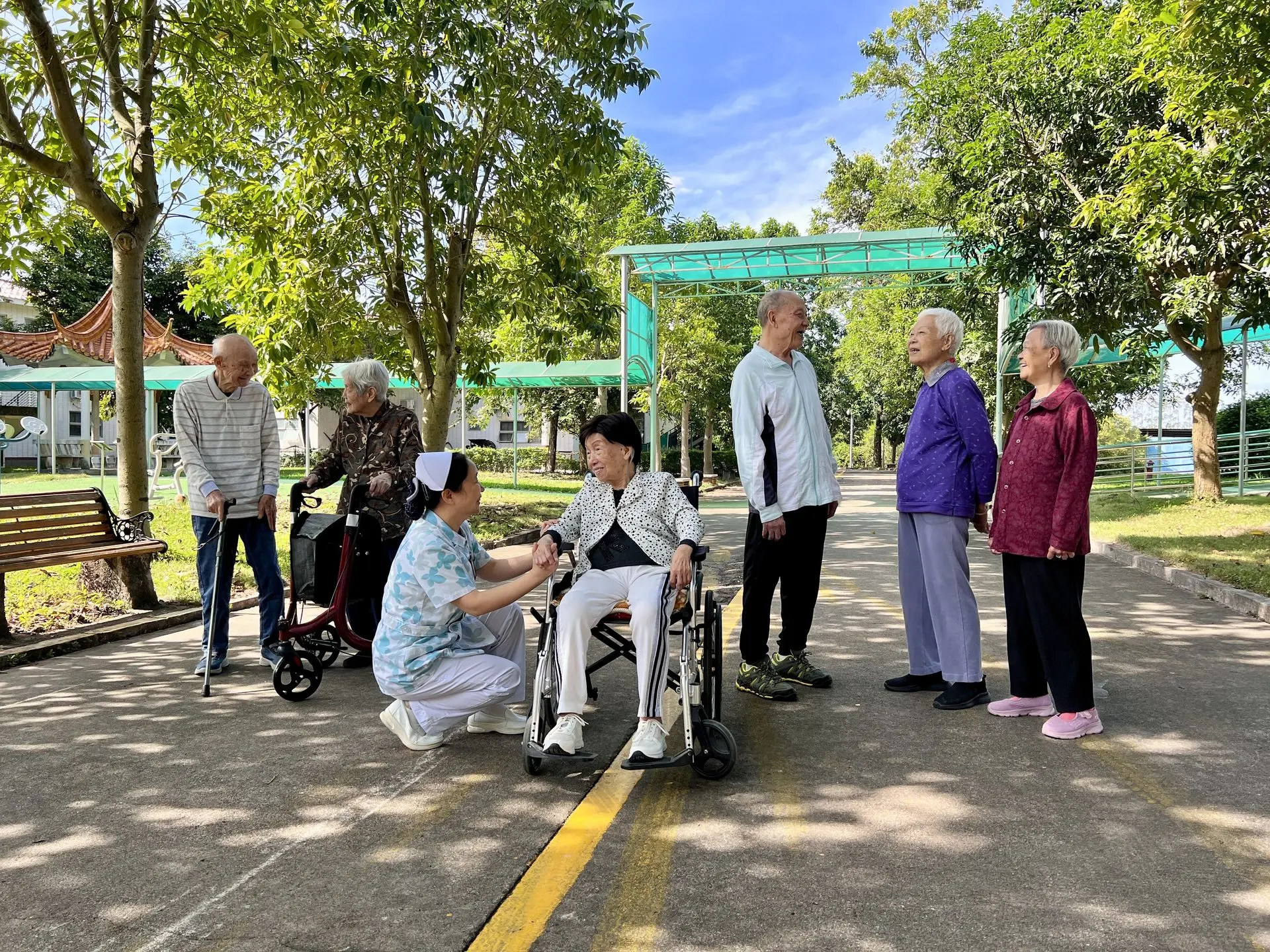
▲ The care home offers a diverse range of care models, allowing elderly individuals with varying levels of care to enjoy life in a loving environment. (Photo by Helping Hand)
Trial Scheme Eases Concerns About Retiring in the Mainland
While the Greater Bay Area offers more space, manpower, and lower costs, some elderly individuals worry that relocating may mean losing access to Hong Kong welfare and being unable to return. To address this, the Social Welfare Department expanded the Residential Care Services Scheme in Guangdong in 2023, including: • Extending eligibility to those waiting for nursing home places • Adding more participating care homes in the Greater Bay Area
Returning to Hong Kong without hindrance in waiting for accommodation
Currently, 24 recognised service providers are available across cities including Shenzhen, Zhaoqing, Foshan, Guangzhou, Zhongshan, Jiangmen, Zhuhai, and Huizhou. To encourage elderly to participate in the scheme, the Social Welfare Department has included a 6-month "trial period" within the scheme • Participants who withdraw within this period can resume their original position on the Central Waiting List, retroactive to the original application date. This allows elderly individuals to try mainland care services without risking their eligibility in Hong Kong.
Since May last year, the Social Welfare Department has commissioned New Home Association Limited to provide support services for participating elderly individuals and their families through visits and regular contact.
Since April last year, participating care homes have also been arranged to purchase Mainland Basic Medical Insurance and the City-specific Commercial Health Insurance (“Huiminbao”). According to the latest Policy Address, the government will introduce a two-year pilot scheme by the end of 2025 to reimburse out-of-pocket medical expenses under mainland healthcare policies, capped at RMB 10,000 annually for outpatient services, and RMB 30,000 annually for inpatient services.