
While elderly loneliness can be as harmful as heavy smoking, experts point to community solutions to tackle growing health risk.
In the first of a five-part Health Matters wellness series on ageing in Hong Kong, Fiona Sun examines rising social isolation among the elderly, its serious health risks and how activities and community support are helping seniors stay socially engaged.
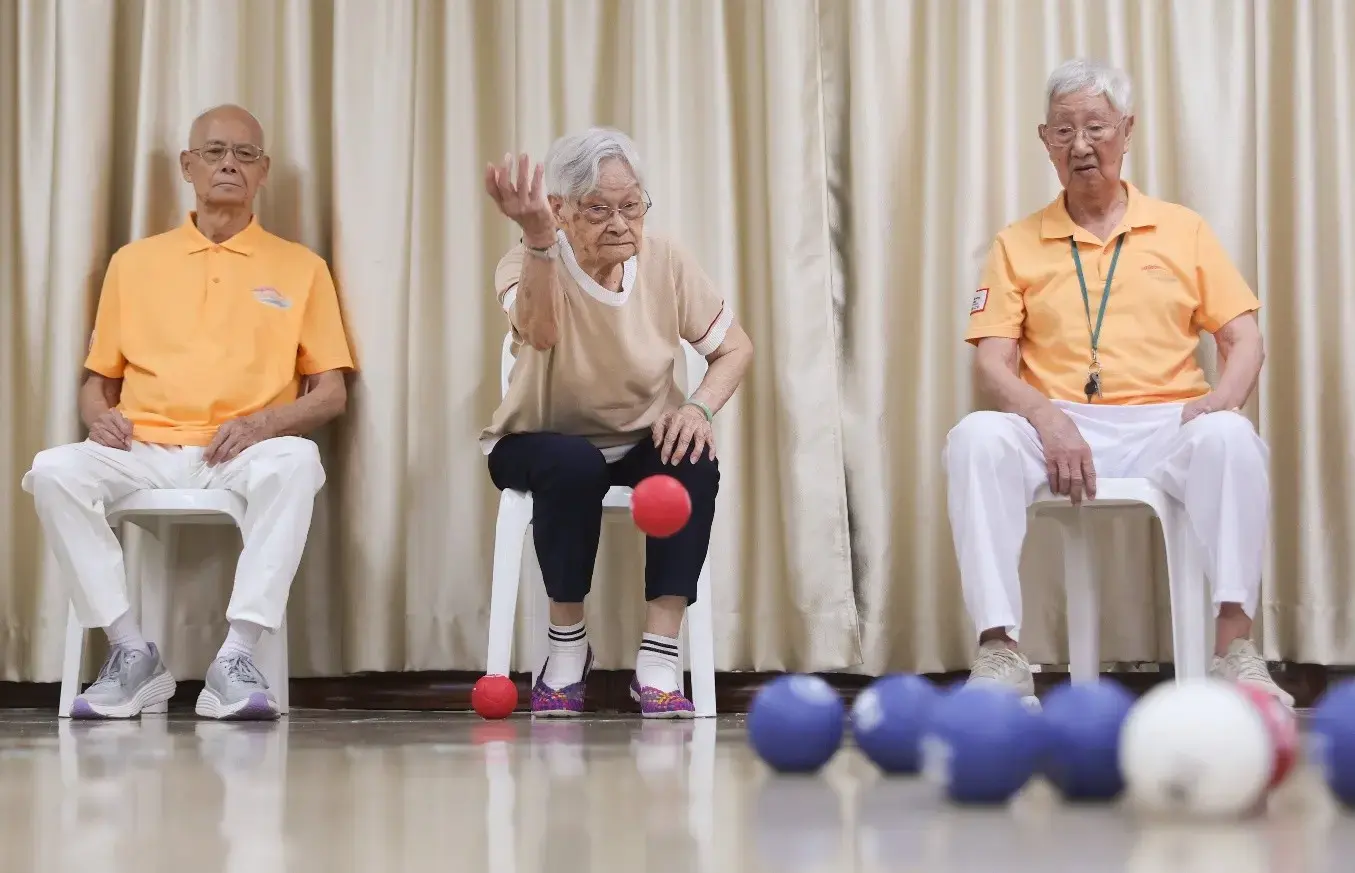
Chow Kam-shim, 92, and her husband Lau Moon-wing, 100, still face off against opponents every day on the boccia court at their residential home for the elderly in Hong Kong’s Po Lam.
Focused and steady, the couple send coloured leather balls gliding across the floor, aiming to land them as close as possible to the white target ball.
Chow said they began learning the precision sport about five years ago. In 2024, they competed against more than 300 elderly participants and won third place at an annual boccia competition organised by NGO Helping Hand, bringing home a trophy.
“We play the sport to train our brains, exercise our bodies and stay connected,” said the grandmother of three.
Their daily routine stands in contrast to that of many of their peers.
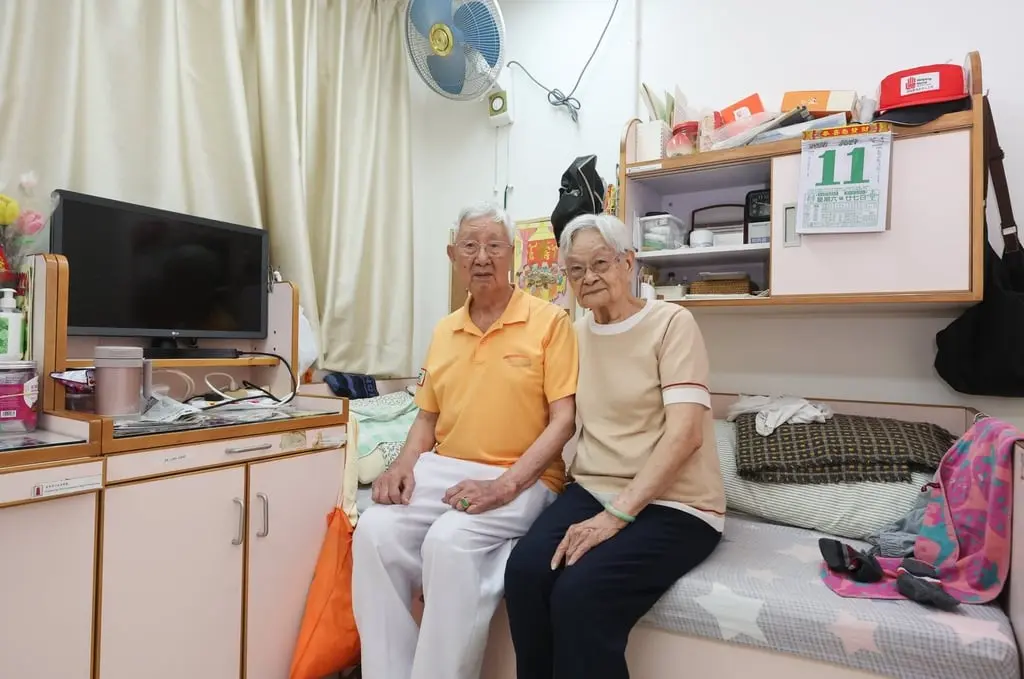
For elderly couple Lau Moon-wing (left) and Chow Kam-shim, mornings often include yum cha with friends. Photo: Edmond So
In Hong Kong, more than half of elderly people are socially isolated – well above the global estimate of 25 to 33.6 per cent.
A local study that randomly surveyed 647 people aged 65 and above last year found that 50.4 per cent experienced social isolation.
While the rate was down slightly from a peak of 53 per cent in 2023-24 following the coronavirus pandemic, it remained higher than the 43 per cent in 2020-22.
“The World Health Organization [WHO] estimates that about one in three older people globally are at risk of social isolation, but in Hong Kong it is one in two,” said Professor Eliza Wong Lai-yi of the Chinese University of Hong Kong, who led the study. “The situation is serious.”
Social isolation and loneliness are increasingly recognised as major public health concerns worldwide.
The WHO Commission on Social Connection estimates that 25 to 33.6 per cent of older people globally are socially isolated.
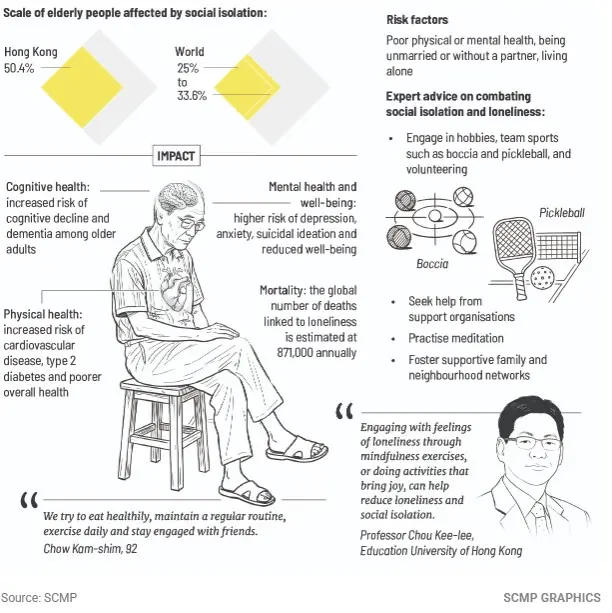
It defines social isolation as an objective lack of roles, relationships or interactions, characterised by a limited social network, restricted group participation and infrequent contact with others.
Research shows the condition has serious consequences for physical and mental health, quality of life and longevity.
A 2010 analysis led by Dr Julianne Holt-Lunstad and published in PLOS Medicine found that a lack of social connection increased the risk of early death to a degree comparable with established risk factors, including smoking up to 15 cigarettes a day.
Wong identified poor family relationships, spousal loss and chronic illness as major contributors to loneliness among older residents in Hong Kong.
Widow Law Wai-ho, 81, lives alone in a public housing flat in Cheung Sha Wan.
She said she rarely left home except to buy groceries or attend medical appointments, often stocking up on supplies to minimise trips outside.
Despite feeling overwhelmed by loneliness, she said she lacked the motivation to go out.
Suffering from foot and lower back pain, Law relies on a walking cane. She also has several chronic illnesses, including high blood pressure and heart disease, and takes eight types of medication daily.
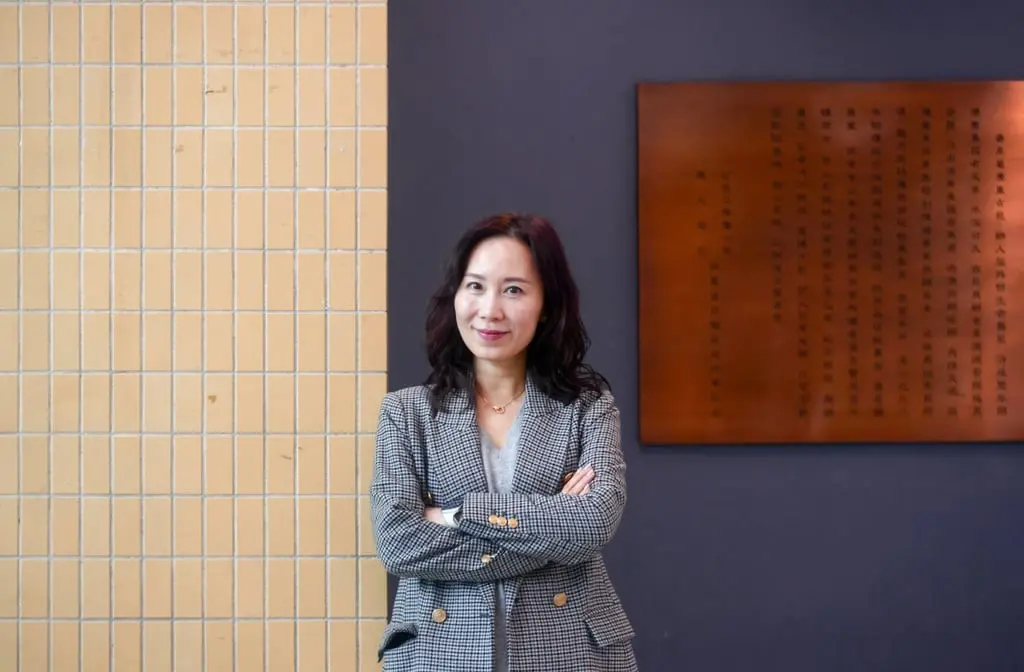
A survey of 647 people aged 65 and above led by Professor Eliza Wong of the Chinese University of Hong Kong found that 50.4 per cent of elderly residents experienced social isolation. Photo: Jonathan Wong
She said she sometimes forgot to take her medication and that she applied mentholated balm to ward off fainting spells at home.
“I’m lonely. I feel scared whenever I hear news about elderly people dying alone and unnoticed at home,” she said, adding that her son and daughter seldom visited.
“I hope my children will visit me more often and that social workers can come and talk to me regularly.”
Ted Liu Chi-ho, a community organiser with the Society for Community Organisation (SoCO), said health issues such as chronic pain and limited mobility often restricted older residents’ ability to go out, pushing them into isolation.
Support organisations could help by identifying individual needs and encouraging elderly people to build social connections, he said.
“It is important to establish connections with them by understanding their needs and offering support,” Liu said.
Law now attends monthly sessions organised by SoCO, where she meets peers and shares the challenges faced by elderly people living alone.
She also called for more engaging activities, such as subsidised trips to Hong Kong Disneyland Resort.
Experts said older residents could combat isolation through hobbies, team sports and volunteering, alongside stronger family and community support.
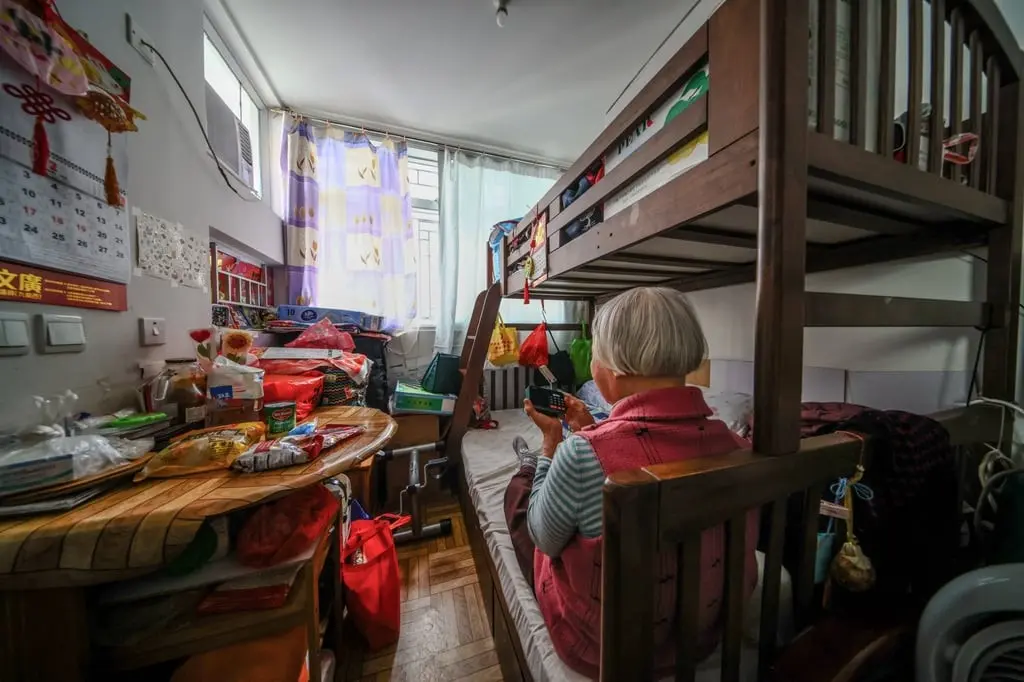
Widow Law Wai-ho, 81, lives alone in a public housing flat in Cheung Sha Wan. Photo: Dickson Lee
Chou Kee-lee, chair professor of social policy at the Education University of Hong Kong, said his research suggested interventions such as meditation could help.
“Engaging with feelings of loneliness through mindfulness exercises, or doing things that bring joy, can help reduce loneliness and social isolation,” he said.
Chou said meditation sessions could last five to 20 minutes each and include deep breathing, listening to ambient sounds and focusing on physical and mental sensations.
“Since loneliness is a feeling, mindfulness can help people accept it and feel less distressed. It can also calm the mind, help people pay attention to their health and reduce feelings of loneliness,” he said.
Sandy Macalister, senior adviser of Helping Hand, said low-impact team sports such as boccia and pickleball, as well as games like Rummikub, were effective in engaging older residents.
He said the charity assigned staff to coach residents in boccia and Rummikub, and organised annual boccia competitions in Hong Kong.
“These activities give them connection, encouragement and friendship, as well as a purpose and something to strive for,” he said.
For Chow and her husband, boccia and Rummikub are part of daily life.
Their mornings often include yum cha with friends, while occasional flag-selling for charity adds variety.
They said staying active helped keep their spirits high.
“We try to eat healthily, maintain a regular routine, exercise daily and stay engaged with friends,” Chow said.
Start writing here...